
Fonio: What Is It? And How To Cook It?
Fonio is an ancient African grain that’s incredibly quick and easy to prepare. Unlike many other grains, you don’t need to soak or rinse it and it cooks in just a few minutes. Nutritious, fluffy and slightly nutty in flavour, this ancient grain is well worth adding to your kitchen. In this guide, you’ll learn what fonio is, its benefits and exactly how to cook it.
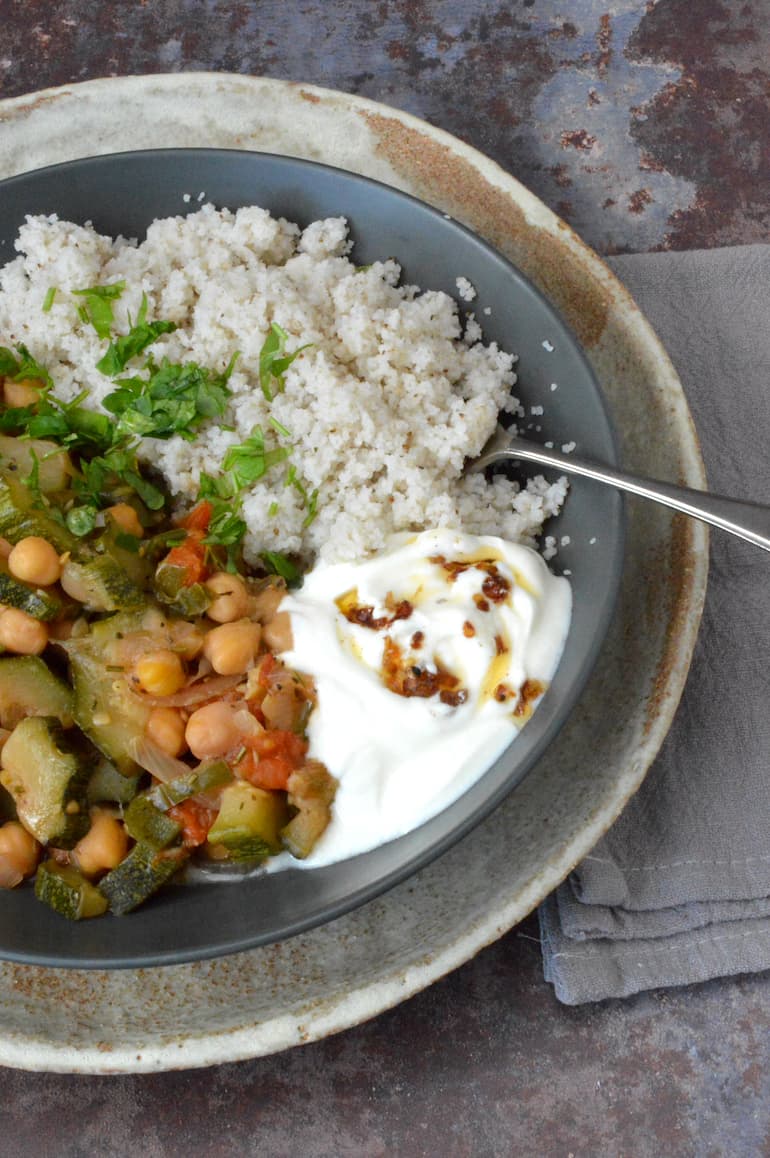
I’ve been cooking and eating fonio for a few years now, but it’s a relatively recent addition to the British market and, so far, only available in some supermarkets. It’s very easy to buy online though. I believe it’s even easier to get hold of in the United States.
Dive Right In
- What Is Fonio?
- Why Cook Fonio?
- How To Cook Fonio As A Fluffy Grain
- How To Eat Fonio
- Fonio Porridge
- Fonio FAQs
- Other Grain Recipes You Might Like
- Keep In Touch
- Pin It
- The Recipe
What Is Fonio?
Fonio (Digitaria exilis) is a type of millet, the smallest member of the millet family in fact. But unlike ordinary millet, fonio is actually nice to eat. Whilst I’m happy to eat puffed millet or millet in baked goods, I’ve never enjoyed it as a straightforward whole grain or rice substitute.

Thankfully, for us whole grain fans, fonio is a revelation. It has a fairly neutral flavour but with nutty undertones. Its fluffy texture gives a good mouthfeel and it’s great for absorbing the flavours of any accompanying sauces.
Just like rice and quinoa, it’s naturally gluten-free and you need nothing other than water to cook it.
As a whole food it contains the seed’s bran, endosperm and germ which makes it far more nutritious than processed grains such as white rice. See the FAQ section for more on its health benefits.
Also known as acha or findi, it’s an ancient grain, which is not only drought resistant, but has few pests and diseases. It originates in West Africa and is principally grown and consumed in the dry uplands of Burkina Faso, Guinea, Mali, Nigeria, Senegal and Togo. It’s been a staple there for 5,000 years or more. Indeed, it’s believed to be the oldest cultivated cereal in Africa.
It’s not the cheapest of grains to purchase because it’s generally grown by West African smallholders rather than being mass produced. But it’s an important source of income for them and supports regenerative agricultural practices that help to restore degraded soils and thus mitigate the effects of climate change.
As it happens, some of the cost is offset by needing less of the grain per portion than most other cereals. Astonishingly, it swells to around four times its original size when cooked.
Why Cook Fonio?
- Ancient grain heritage – one of Africa’s oldest cultivated grains, with deep cultural roots.
- Delicate, nutty flavour – mild enough to go with almost anything.
- Light and fluffy texture – makes a great alternative to couscous, quinoa or rice.
- New and exciting – a grain that’s still relatively unknown outside of West Africa.
- Nutritious – naturally gluten-free, high in iron, amino acids and resistant starch.
- Quick and easy – cooks in just a few minutes with no soaking or rinsing needed.
- Sustainable crop – grows well in poor soil with little water, making it environmentally resilient.
- Versatile – works in salads, grain bowls, porridge, stuffings, pilaus and even baking.
How To Cook Fonio As A Fluffy Grain
Fonio is really quick and easy to cook. It’s just about getting the right quantity of grain to liquid and making sure you cook it on a really low heat.
Please refer to the recipe card at the bottom of this post for cooking temperatures and quantities of ingredients used.
Step 1. Measure
Measure the fonio and pour it into a small lidded saucepan. There’s no need to either soak or rinse it first. Then add the water.
I’ve experimented with the ratio of liquid to grain and have found that you need 2 ½ parts water to 1 part grain. The grains swell up quite considerably.
I don’t add any salt as I serve it with something that usually has plenty of flavour. However, it’s fine to add a pinch per person if you think it needs it.
Top Tip
Sub the water for veg stock, if you require more flavour.
Step 2. Cook
With the lid on, bring the pan to the boil, then turn the heat right down to your lowest setting.
Cook for ten minutes with the lid on. Don’t be tempted to remove it as you’ll lose both valuable heat and moisture. Turn the heat off, but leave the pan and lid in situ for three minutes or more to steam.
Step 3. Serve
When you’re ready to serve, take the lid off the pan. Fluff the fonio up with a fork and serve straight away.
Top Tip
If your fonio is too dry, simply add a tablespoon or two of boiling water to the pan. Cover and leave to steam for a further minute.
How To Eat Fonio
Like most grains, fonio is really versatile. You can use it as a direct swap for rice, quinoa or pasta in many dishes. It’s perfect as a side dish to accompany stews and curries, added to salads and used in buddha bowls. It also works well for picnics and lunch boxes.
It goes particularly well with North African and West African food, such as my vegan oca peanut stew.
Acha, as it’s also known, is great for soaking up sauces and flavours. Besides cooking it as a straightforward rice substitute you can add it to veggie burgers, make a pilau or turn it into something similar to my courgette couscous.
In the images you can see in this post, I served it with a courgette and chickpea stew along with yoghurt and a drizzle of crispy chilli oil.
I’ve not tried them, but fluffy fonio pancakes are a thing!
Fonio Porridge
If you’d like to make yourself some super healthy breakfast porridge, here’s how you can do it. And very nice it is too.
Pour 45 grams of fonio per person into a saucepan. Add a small pinch of salt, 150 ml of water and 150 ml of milk. Bring to the boil, then simmer gently for eight to ten minutes until you get a consistency you’re happy with. Give it a stir from time to time to ensure it doesn’t stick to the bottom.
You can use dairy or plant-based milk. Then simply add your favourite porridge toppings or sweetener of choice, if liked.
Fonio FAQs
Fonio is a type of millet, but much smaller and less gritty in texture. It has a pleasant, slightly nutty flavour whereas millet is earthier and somewhat bitter. And because it’s so small, it takes less time to cook.
Fonio is a whole grain with lots of nutritious properties. It’s a good source of various B vitamins, iron and dietary fibre. It’s also surprisingly high in both calcium and protein. What’s more it contains resistant starch which slows blood sugar spikes and also feeds beneficial gut microbes. This makes it excellent for good gut health. (Ref: Healthline)
Whilst fonio has made it to some UK supermarkets, it’s not yet very common. Most whole food and health food shops will stock it though and it’s easy to buy online.
In the US, I believe it’s stocked in all Whole Foods Market stores.
You only need 45g of dry fonio per person as it bulks up quite considerably. Cook it with 125 ml water.
You can store cooked fonio in an airtight container in the fridge where it will keep for 3-4 days. For longer storage, freeze it for up to two months.
Other Grain Recipes You Might Like
- Barley bowl with spiced aubergine, chickpeas and tomatoes
- Corn spinach polenta
- Courgette couscous
- Freekeh with chilli chickpeas and herbed vegetables
- Frumenty
- How to cook fluffy quinoa (with optional pesto)
- Mexican brown rice
Keep in Touch
Thank you for visiting Tin and Thyme. Do you cook with fonio? I’d love to hear how you use it in the comments below.
For more delicious and nutritious recipes follow me on Twitter, Facebook, Instagram, Flipboard or Pinterest. And don’t forget to SUBSCRIBE to my weekly newsletter. Or why not join the conversation in our Healthy Vegetarian Whole Food Recipes Facebook Group?
If you’d like more posts about ingredients, follow the link and you’ll find I have quite a lot of them. All incredibly useful, of course.
Choclette x
How To Cook Fonio. PIN IT.
Fonio: What Is It? And How To Cook It?
Instructions
- Place the fonio and water into a small lidded saucepan.90 g fonio, 250 ml water
- Bring it to the boil, then turn the heat right down so that it’s just about simmering.
- Cook for ten minutes with the lid on. Don't be tempted to remove it as you'll lose both valuable heat and moisture. Turn the heat off, but leave the pan and lid in situ for at least three minutes to steam.
- Fluff the fonio up with a fork and serve straight away.
This grain is very interesting and of course I have never heard of it. If it ever arrives in my part of the world I shall certainly try it. Thanks for the info Choclette.
Ah, thank you Mary. Fonio is a bit of a game changer, though it took me a little while to get used to it being an option. It is available in NZ – mostly online, but in heath food shops too – apparently!
the AIR MILES are what concerns me with regard to these imported foods. I do, as we all do, hear about climate disruption and destruction, affecting the very countries that export these food stuffs. I wonder what others think about it?
You’re absolutely right to be concerned about air miles, habitat destruction and climate change. I am too. It’s a difficult one. The sudden popularity of quinoa in the West caused all sorts of problems in the Andes. It also led to economic growth for some. My understanding of fonio is that less and less people were growing it as the Western diet gained traction. It could be a good thing for subsistence farmers in that part of Africa. It’s certainly not sustainable for us to eat it as a staple, but if more people eat it occasionally, more might grow it in marginal land that doesn’t grow much else. And we already import huge amounts of rice.